Water running across your hardwood floors or pooling in your basement is enough to make anyone stomach drop. If you live around Springville, you already know our heavy spring runoff and sudden temperature drops can put serious stress on home plumbing and foundations. When Water Damage Restoration Service hits, panic usually sets in first. Then comes the guessing game about what to fix yourself and what requires backup.
Here is what you actually need to do before, during, and after a water damage event to keep your home from falling apart.
Before the Pros Arrive: What You Can Do Right Now
Your main goal in the first thirty minutes is safety and stopping the flow. Do not worry about drying carpets yet. Shut off the main water valve immediately if the leak is internal. If the water is anywhere near your electrical panel or outlets in the basement, kill the power at the breaker box before stepping into any puddles.
You can start mopping up standing water with towels or a wet-dry vac if it is safe to do so. Pull up area rugs and get plastic bins or furniture off wet carpeted surfaces to prevent wood stains from bleeding into the fibers. Open windows if the Springville air outside is dry, but keep them shut if it is raining or snowing heavily outside.
During the Cleanup: DIY vs. Calling a Pro
Many homeowners think they can rent a couple of box fans from the hardware store down on Main Street and dry out a soaked subfloor in a weekend. Sometimes that works for a tiny spill. But if water has wicked up into your drywall or soaked beneath the baseboards, surface drying will not cut it.
- Small sink overflow upstairs? You can probably handle that with fans and towels.
- Sewer backup or major pipe burst in the basement? Put the DIY tools down.
- Hidden moisture behind walls leads to black mold faster than you think, especially in our local climate.
That is where Cornerstone Restoration Service comes in. Cornerstone Restoration Service brings in industrial air movers, dehumidifiers that pull gallons out of the air daily, and moisture meters to check behind walls. You want commercial gear running so moisture does not get trapped in your framing and rot your sills.
After the Project: Getting Back to Normal
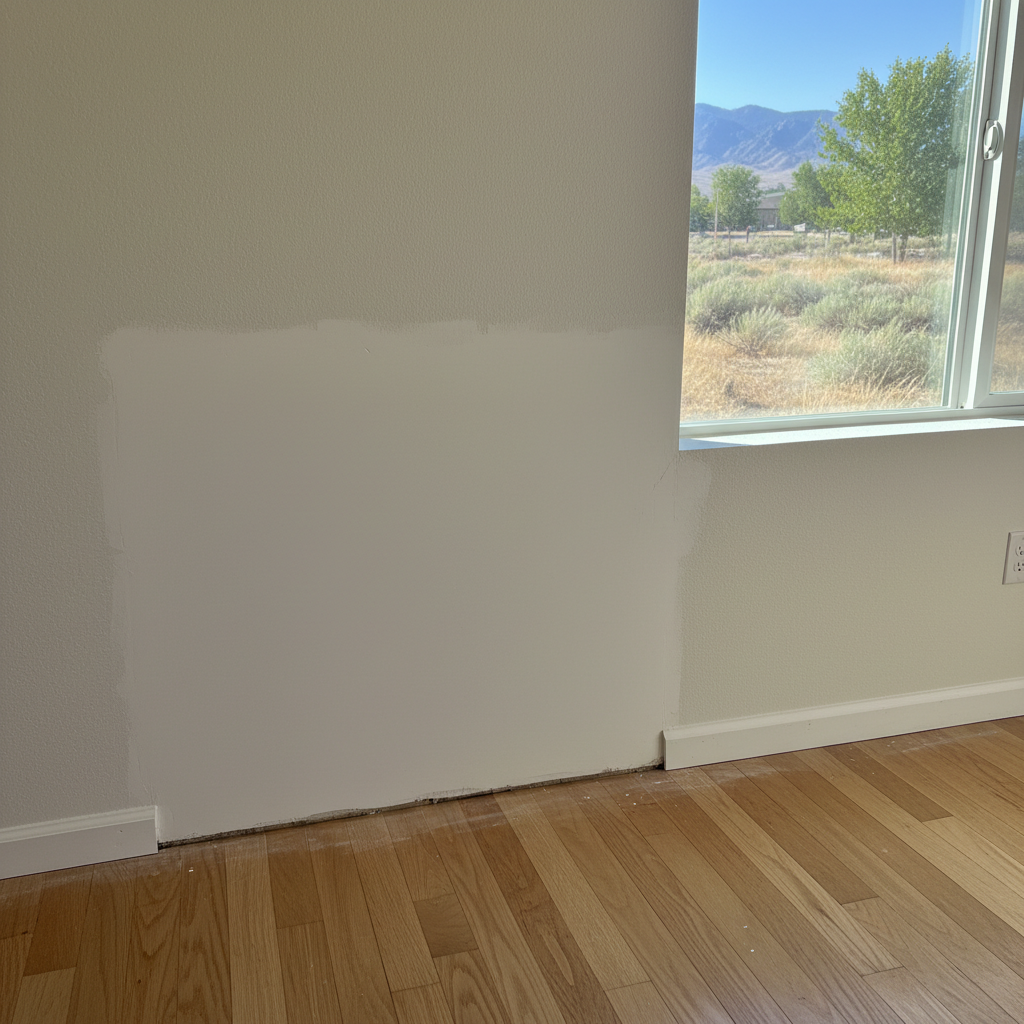
Once the structure is completely dry and cleared by your restoration tech, the rebuild phase begins. Do not rush to slap new paint on damp drywall. Give it time, check the readings again, and make sure any warped baseboards or ruined flooring materials are properly replaced. Document everything along the way for your insurance claim so you are not left holding the bag for repairs.